It is important to note that this fully responsive site template was designed by HTML5 UP and released
for free under the Creative Commons license.
Overview of Bangladesh
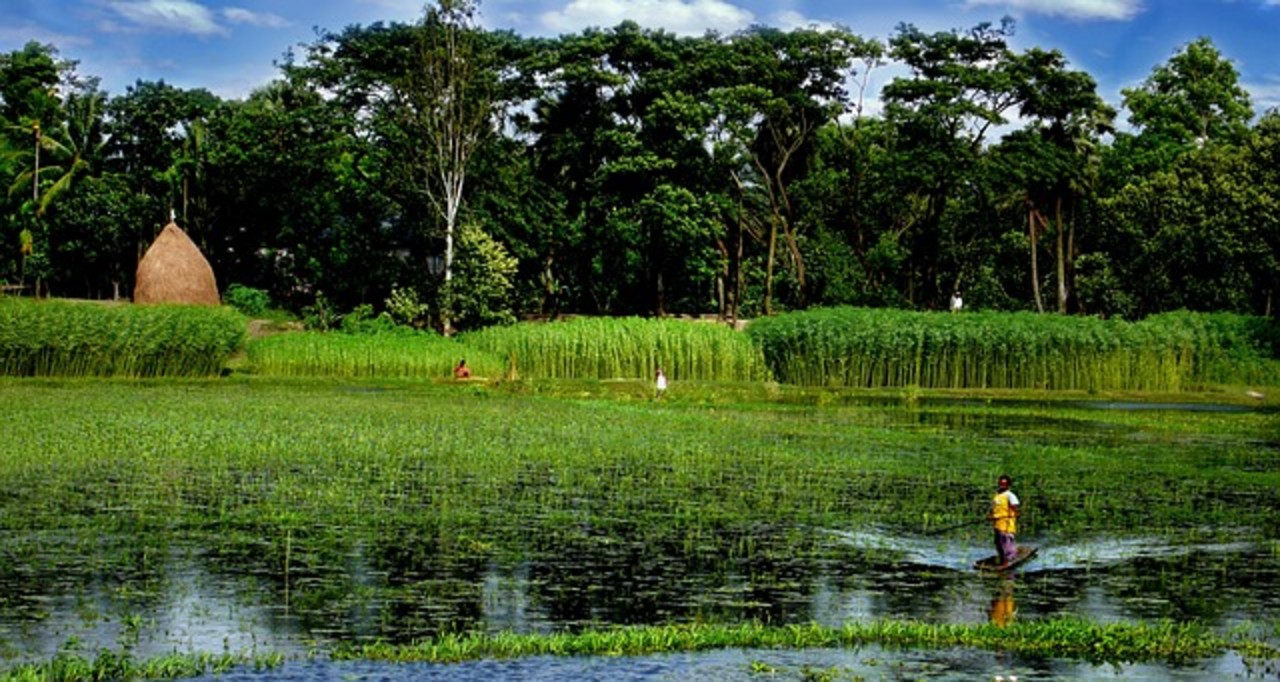
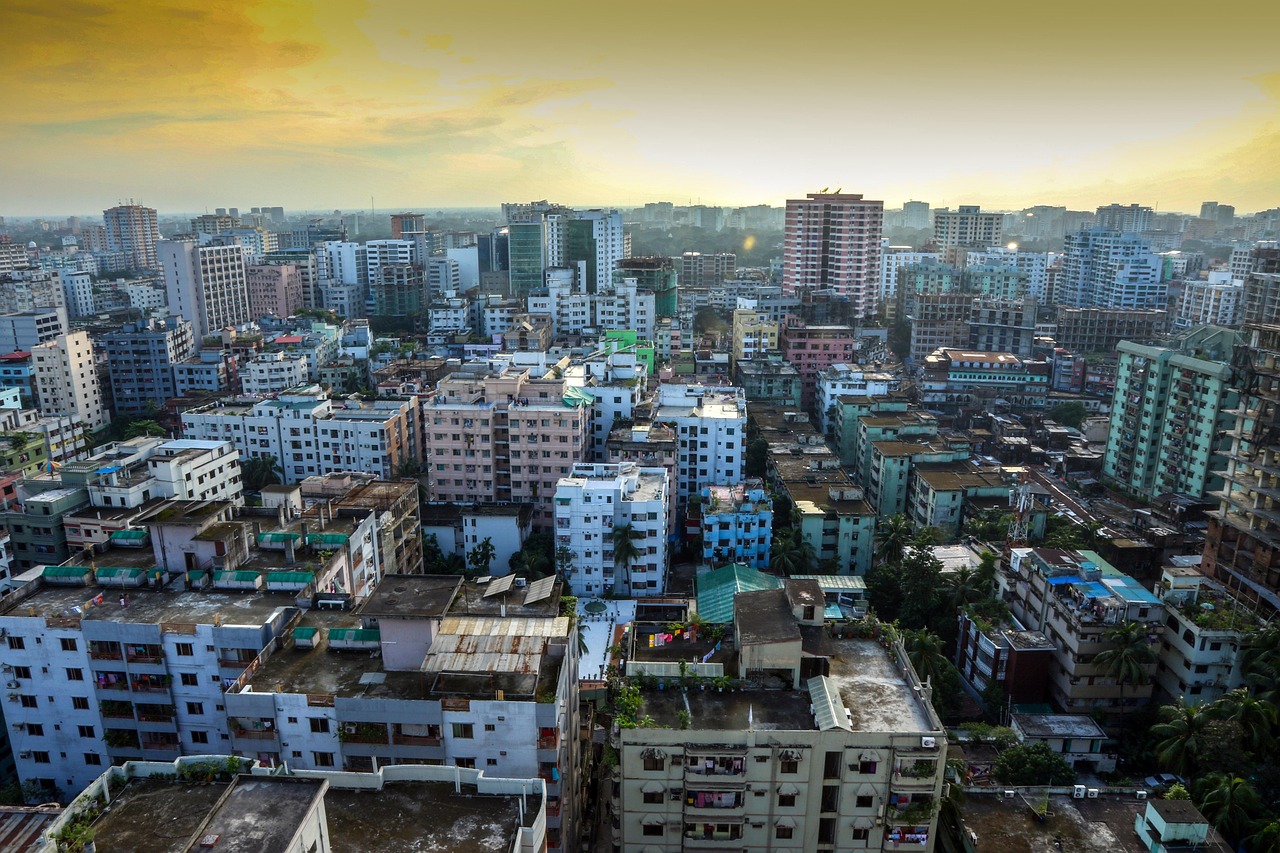
Bangladesh is a country in South Asia, located on the northeastern edge of the Indian subcontinent. It's bordered by India on the west, north, and east, Myanmar to the southeast, and the Bay of Bengal to the south. This strategic position places Bangladesh at the crossroads of South Asia and Southeast Asia, offering access to the Bay of Bengal and the Indian Ocean. The country is divided into three main regions: the fertile Ganges Delta, the Madhupur and Barind plateaus in the northwest and central parts, and the hill ranges in the northeast and southeast. Bangladesh is known as the "Land of Rivers" because of its extensive river systems, including the Padma (Ganges), Brahmaputra (Jamuna), and Meghna rivers, which play a crucial role in its geography, agriculture, and daily life. Despite its small size, Bangladesh is one of the most densely populated countries in the world, with a population exceeding 160 million. The capital city, Dhaka, is one of the most populous cities globally. The country faces challenges such as political instability, economic disparities, and natural disasters. However, Bangladesh has made remarkable progress in areas like education, healthcare, and economic development, particularly in the ready-made garment industry.
As for Bangladesh's history, it was once part of the Bengal region, home to ancient kingdoms and empires such as the Bengal Sultanate and the Mughal Empire. Islam became the dominant religion in the 13th century, and the region flourished as a center of trade and culture. In the 18th century, Bengal fell under British colonial rule, becoming part of British India. Following the partition of India in 1947, the eastern part became East Pakistan, forming a new nation with West Pakistan. The struggle for independence intensified over time due to linguistic, cultural, and political differences between East and West Pakistan. The turning point came in 1971 when Sheikh Mujibur Rahman declared independence for Bangladesh, leading to the Bangladesh Liberation War. The war was marked by significant loss and suffering, with an estimated 3 million people killed and widespread atrocities committed. On December 16, 1971, Bangladesh achieved victory, and the country was officially recognized as an independent nation.
In the decades since independence, Bangladesh has faced challenges including political instability, economic disparities, and natural disasters. However, the country has made remarkable progress in areas such as education, healthcare, and economic development. The ready-made garment industry has become a significant contributor to the economy, and Bangladesh has also made strides in technology and infrastructure. Despite these advancements, political tensions and governance issues continue to shape the nation's trajectory.
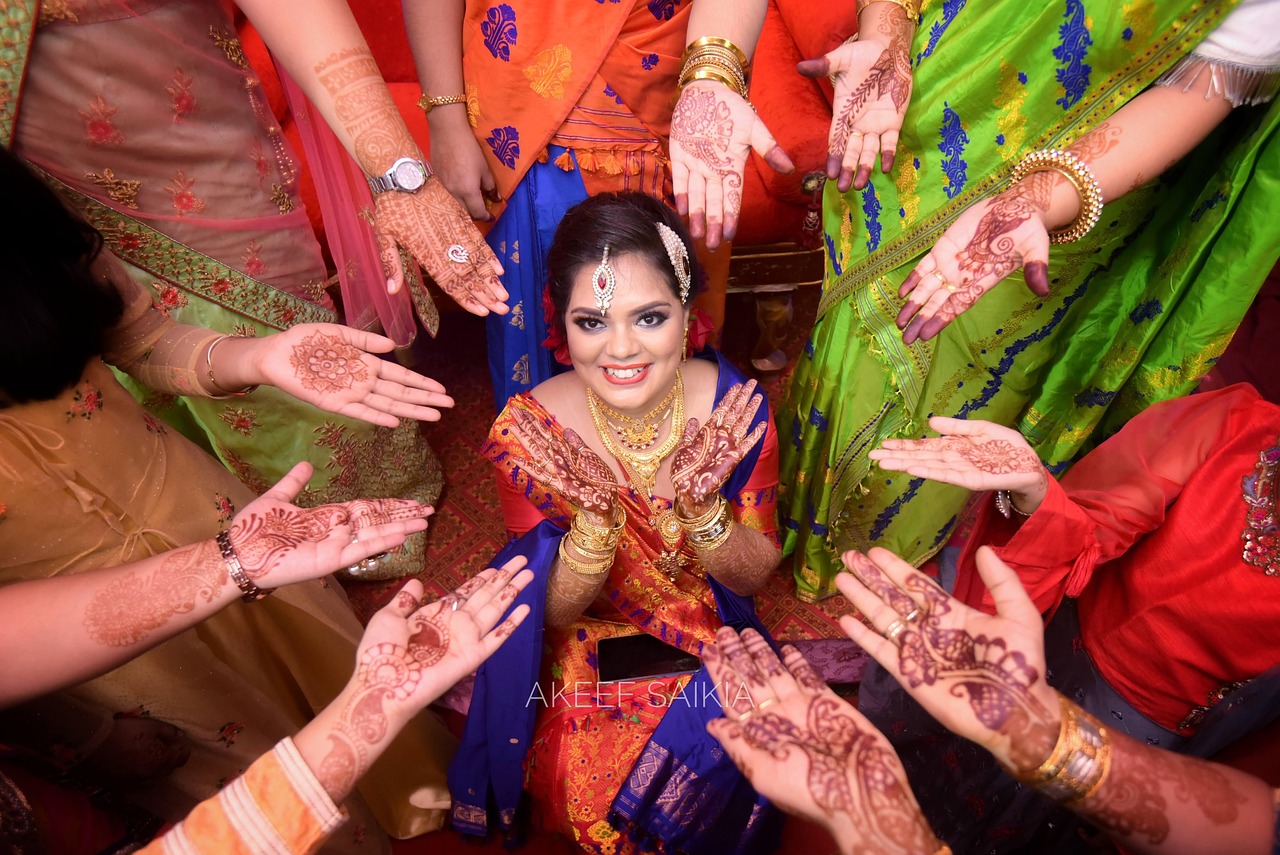
Culturally, The Bengali language is central to national identity, and the country celebrates various festivals like Pohela Boishakh (Bengali New Year), Eid al-Fitr, and Durga Puja with enthusiasm. Overall, culture, food, and architecture are important in everyday life, with traditions influenced by Hinduism, Buddhism, and Islam. Bangladeshi food is full of flavor, with popular dishes like biryani and pitha show the variety of regional tastes. The architecture mixes religious and historical styles, seen in famous places like the Lalbagh Fort and Mahasthangarh. Traditional clothing also changes from region to region, each with its own unique designs and craftsmanship.
It is important to note that this fully responsive site template was designed by HTML5 UP and released for free under the Creative Commons license. FOR EDUCATIONAL PURPOSES ONLY. NO COMMERCIAL VALUE. Image courtesy of Pixabay under the Creative Commons CC0 dedication.
Bangladeshi Culture
Traditional clothing in Bangladesh is both beautiful and meaningful. For women, the sari is the national dress, often worn during special occasions. Notably, the Dhakai Jamdani sari, a handwoven masterpiece, has been recognized by UNESCO as an Intangible Cultural Heritage of Humanity. Men commonly wear the lungi—a comfortable wraparound garment made from cotton, ideal for the country's warm climate. These garments reflect the country’s rich textile heritage. For instance, the nakshi kantha, a hand-embroidered quilt, showcases intricate designs passed down through generations. The grameen check, a colorful plaid pattern, is another traditional design that showcases traditional craftsmanship.
Music in Bangladesh is a powerful form of storytelling and spiritual expression. The Baul tradition, a mystical folk music genre, blends elements of Sufism and Vaishnavism, with performers often using instruments like the ektara to convey deep philosophical themes. Rabindra Sangeet, songs composed by Nobel composer Rabindranath Tagore, cover a wide range of themes, from love to nature, and continue to resonate with people across generations. Another significant genre is Notuner Gaan, also known as "The Song of Youth," composed by Kazi Nazrul Islam in 1928, which serves as the national march of Bangladesh.
Example of Bangla Folk Music
It is important to note that this fully responsive site template was designed by HTML5 UP and released for free under the Creative Commons license. FOR EDUCATIONAL PURPOSES ONLY. NO COMMERCIAL VALUE. Image and audio courtesy of Pixabay under the Creative Commons CC0 dedication.
Bangladeshi Cuisine
Bangladeshi cuisine is deeply influenced by its history, geography, and cultural exchanges. At the heart of this tradition lies rice and fish, which reflects the nation's agrarian roots and proximity to numerous rivers. Bangladeshi cuisine is characterized by its bold use of spices, aromatic herbs, and a balance between sweet, sour, salty, and spicy elements. Common spices include cumin, coriander, turmeric, mustard seeds, fenugreek seeds, and nigella seeds. Garam masala, a blend of ground spices like cloves, cinnamon, cardamom, and bay leaves, is often used to add depth to Bangladeshi dishes. Mustard oil serves as a common cooking medium, imparting a sharp flavor to the food. Green chilies, garlic, and ginger are also widely used, both fresh and as pastes, to enhance the taste and aroma of dishes.
A popular dish that embodies Bangladeshi cuisine is Kacchi Biryani, a rice dish with deep Mughal influences. This aromatic dish is prepared by layering marinated raw mutton or beef with partially cooked rice, then slow-cooking the layers together, allowing the flavors to meld. The marinade typically includes yogurt, saffron, and a blend of spices, infusing the meat with rich flavors. The result is a fragrant and flavorful biryani, often garnished with fried onions, boiled eggs, and served with a side of borhani, a spiced yogurt drink. Kacchi Biryani is not just a meal but a symbol of hospitality and celebration, commonly featured at weddings, festivals, and special occasions. This dish holds significant cultural importance as it reflects the country's history and social gatherings. The preparation of Kacchi Biryani highlight the values of unity and tradition in Bangladeshi society. Its presence brings people together around the dining table.
Video on how to make Kacchi Biryani
It is important to note that this fully responsive site template was designed by HTML5 UP and released for free under the Creative Commons license. FOR EDUCATIONAL PURPOSES ONLY. NO COMMERCIAL VALUE. Image courtesy of Pixabay under the Creative Commons CC0 dedication.
Bangladeshi Architecture
Bangladeshi architecture is a blend of old and new, combining ancient traditions with modern ideas. The country's rich history is reflected in its buildings, from ancient Buddhist temples to Islamic mosques and contemporary structures. Each building tells a story of the people and cultures that have shaped Bangladesh.
An example of this blend is the National Parliament House in Dhaka, designed by the renowned architect Louis Kahn. Completed in 1982, the building showcases modernist principles while incorporating elements of Bengali vernacular architecture. Kahn's use of geometric forms and natural light creates a harmonious space that symbolizes the nation's identity and aspirations. In contrast, the Sixty Dome Mosque in Bagerhat, a UNESCO World Heritage Site, stands as a testament to the architectural progress of the Bengal Sultanate. This site was constructed in the 15th century, the mosque features 77 domes supported by 60 pillars,showcasing the region's brick construction and Islamic design.
Modern Bangladeshi architecture continues to address the issues of climate change. Architects like Marina Tabassum have created designs that are both sustainable and culturally resonant. Her Bait Ur Rouf Mosque, completed in 2012, forgoes traditional domes and minarets, instead utilizing natural light and ventilation to create a nice environment. The mosque's design reflects Tabassum's belief that "a building has to be able to breathe without artificial aids." Constructed primarily from locally sourced terracotta bricks, the structure features walls that facilitate natural airflow, keeping the interior cool even during Dhaka's hot summers. Dozens of circular openings in the ceiling allow sunlight to filter through, casting dynamic patterns of light and shadow that enhance the spiritual ambiance. Tabassum's approach also emphasizes community involvement. The mosque was funded through small private donations and constructed with the active participation of local craftsmen.
It is important to note that this fully responsive site template was designed by HTML5 UP and released for free under the Creative Commons license. FOR EDUCATIONAL PURPOSES ONLY. NO COMMERCIAL VALUE. Image courtesy of Pixabay under the Creative Commons CC0 dedication.
Fun Facts about Bangladesh
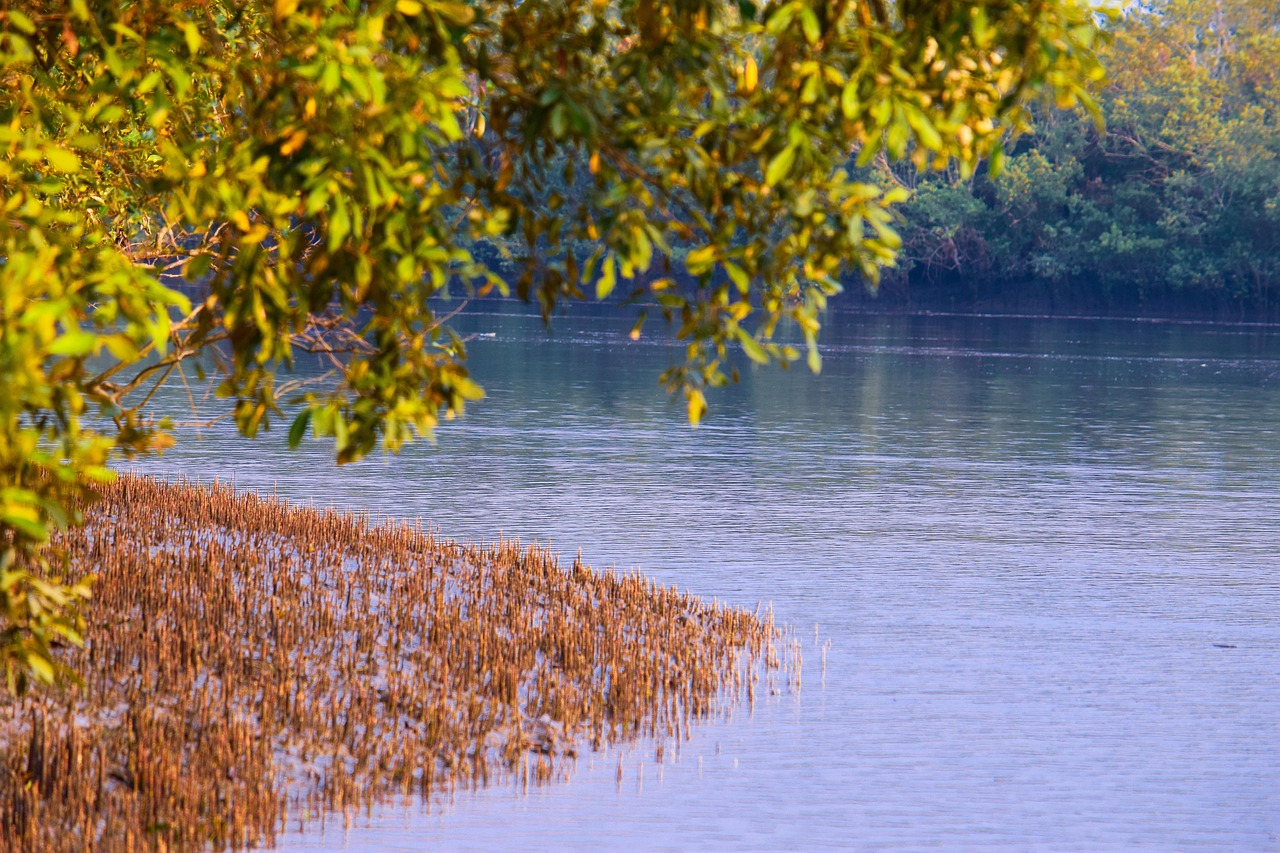
🌊World’s largest mangrove forest (The Sundarbans): Covering around 140,000 hectares, this UNESCO‑listed biosphere hosts Bengal tigers, estuarine crocodiles, Irawaddy dolphins, and over 360 bird species.
🏖World’s longest natural sea beach (Cox's Bazaar): This beach streches about 75 miles long, making it the third-longest continuous beach globally.
🌍Eighth-most-populous country: Home to over 160 million people in a territory smaller than Illinois, Bangladesh is one of the most densely populated countries on earth.
🌱Land of six seasons: Beyond the usual four, Bangladesh celebrates monsoon and "late autumn," with each season featuring its own cultural festivals and traditions.
🐅Home to the Royal Bengal Tiger: This majestic big cat is the national animal, with around 300–500 residing in the country.
🚲“Rickshaw Capital of the World”: Dhaka’s iconic, vibrantly decorated rickshaws (over half a million city‑wide) are not just transport—they’re works of art.
🛶A riverine paradise with 700+ rivers: Bangladesh is crisscrossed by rivers like the Ganges, Meghna, and Brahmaputra, with boat travel still a deeply rooted mode of daily life.
📜Birthplace of International Mother Language Day: Founded after the 1952 Bengali Language Movement, Feb 21 is now globally observed to celebrate language diversity.
☕Top tea producer & major jute cultivator: Its tea gardens in Sylhet and Chattogram make Bangladesh one of the world’s largest tea exporters, while jute remains a key natural fiber export.
🎗Three UNESCO World Heritage Sites: Home to the Sundarbans, the Historic Mosque City of Bagerhat, and the ancient Buddhist Vihara of Paharpur.
🍈National fruit and flower: The jackfruit (can weigh up to 80 lbs!) is the national fruit, and the water lily ("shapla") is the national flower.
🌿Delta powerhouse: Situated in the Bengal Delta—the world's largest—Bangladesh's fertile soil supports millions of farmers and about 40% of the population is employed in agriculture.
It is important to note that this fully responsive site template was designed by HTML5 UP and released for free under the Creative Commons license. FOR EDUCATIONAL PURPOSES ONLY. NO COMMERCIAL VALUE. Image courtesy of Pixabay under the Creative Commons CC0 dedication.
This is bold and this is strong. This is italic and this is emphasized.
This is superscript text and this is subscript text.
This is underlined and this is code: for (;;) { ... }. Finally, this is a link.
Heading Level 2
Heading Level 3
Heading Level 4
Heading Level 5
Heading Level 6
Blockquote
Fringilla nisl. Donec accumsan interdum nisi, quis tincidunt felis sagittis eget tempus euismod. Vestibulum ante ipsum primis in faucibus vestibulum. Blandit adipiscing eu felis iaculis volutpat ac adipiscing accumsan faucibus. Vestibulum ante ipsum primis in faucibus lorem ipsum dolor sit amet nullam adipiscing eu felis.
Preformatted
i = 0;

while (!deck.isInOrder()) {
    print 'Iteration ' + i;
    deck.shuffle();
    i++;
}

print 'It took ' + i + ' iterations to sort the deck.';